
A Bridge Command Simulator
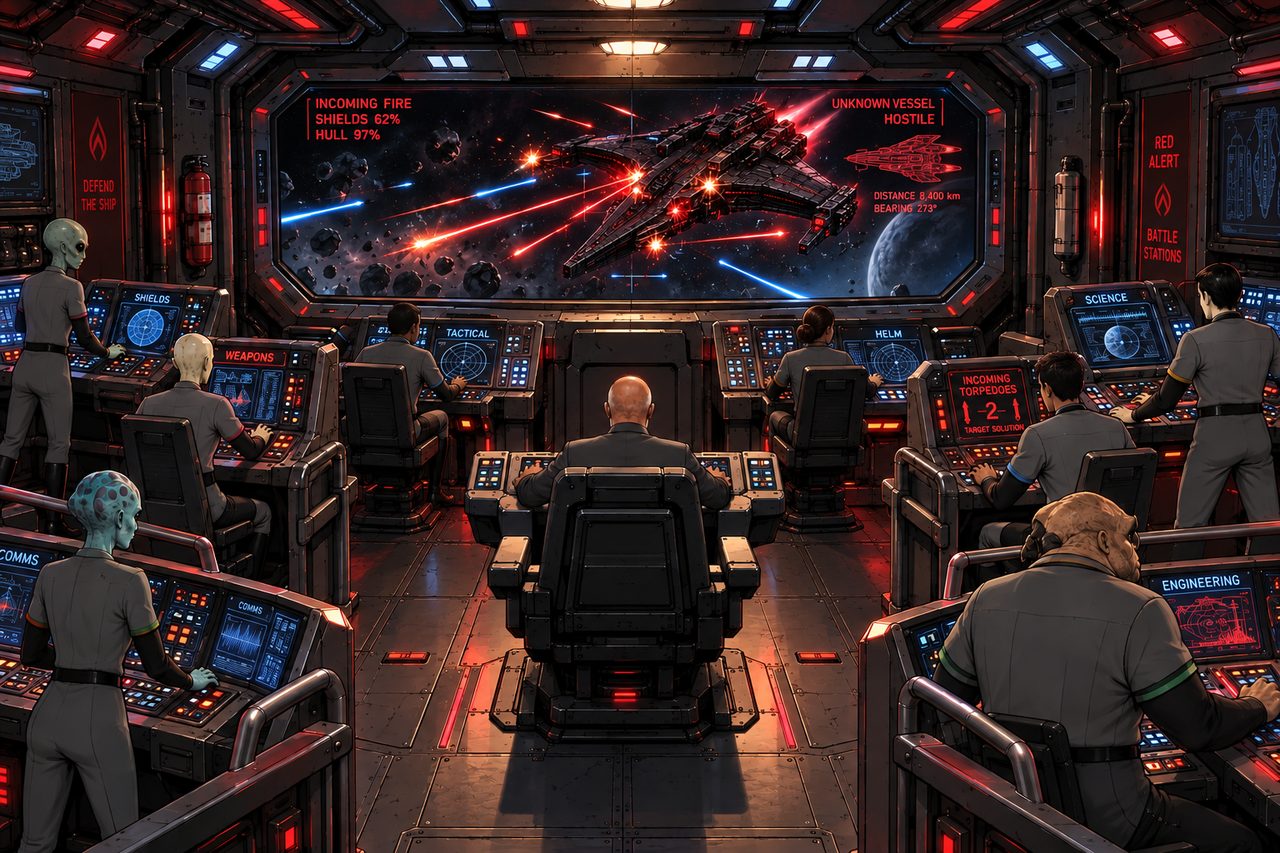
Eight officers stand the bridge of your starship. They report, propose, argue and carry out your orders — and remember what you did. Nothing happens on the ship without your orders.
Coming soon to Steam · Early Access
Windows · Linux
The crew
Every order you give goes to the officer whose console carries it out. Every action on the ship is a proposal you approve — or an order you gave. The chain of command is the game.
Science is not sure the anomaly is worth the fuel. The first officer thinks the distress call is a trap. They say so, in their own words, and then they do what you tell them.
A ship you destroyed after she struck her colours is on the record, and the crew felt it. Reputations — ruthless, merciful, a lifesaver, callous — are read off what you actually did.
A green officer can read a scan wrong, or, like a poor marksman, keep missing the target. An exhausted one misses a word of the signal. Competence is in the officer, not the equipment.
A career
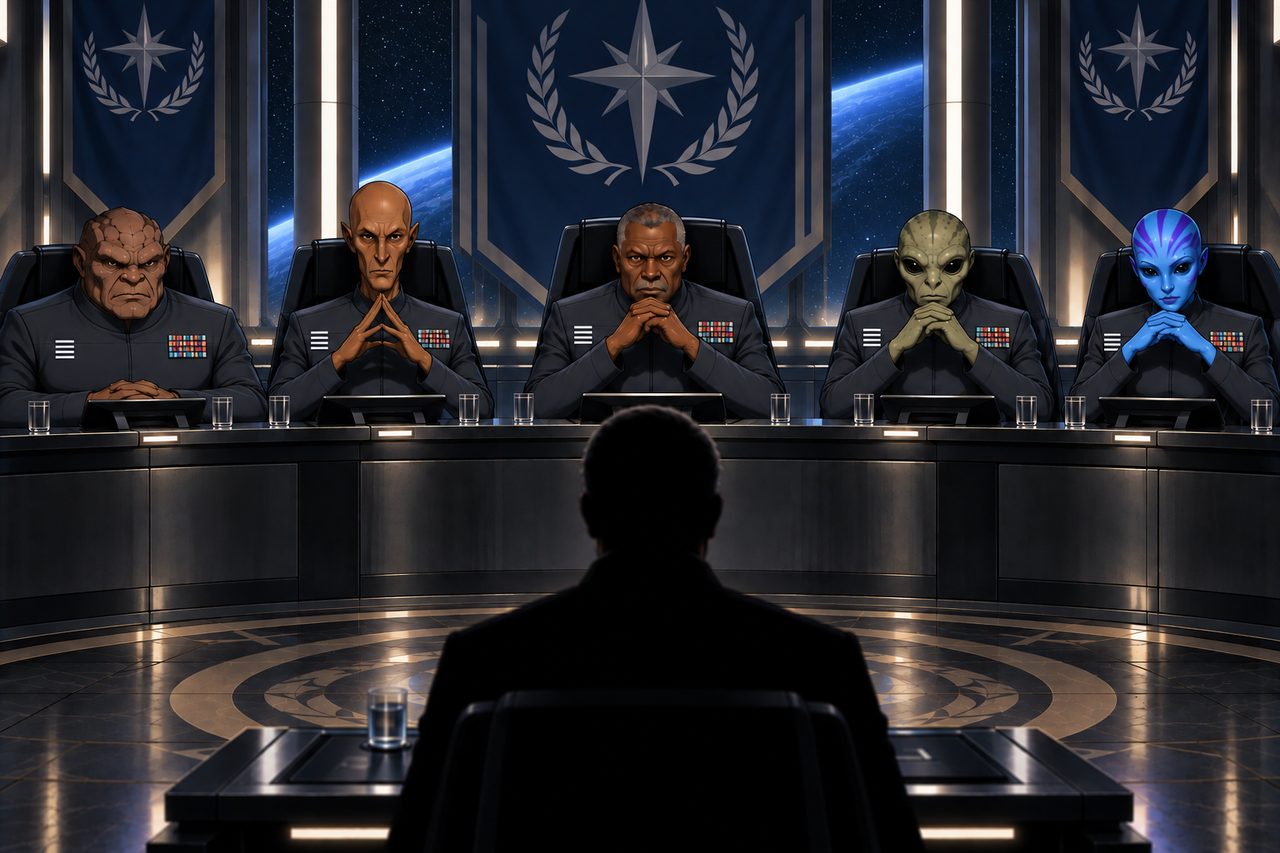
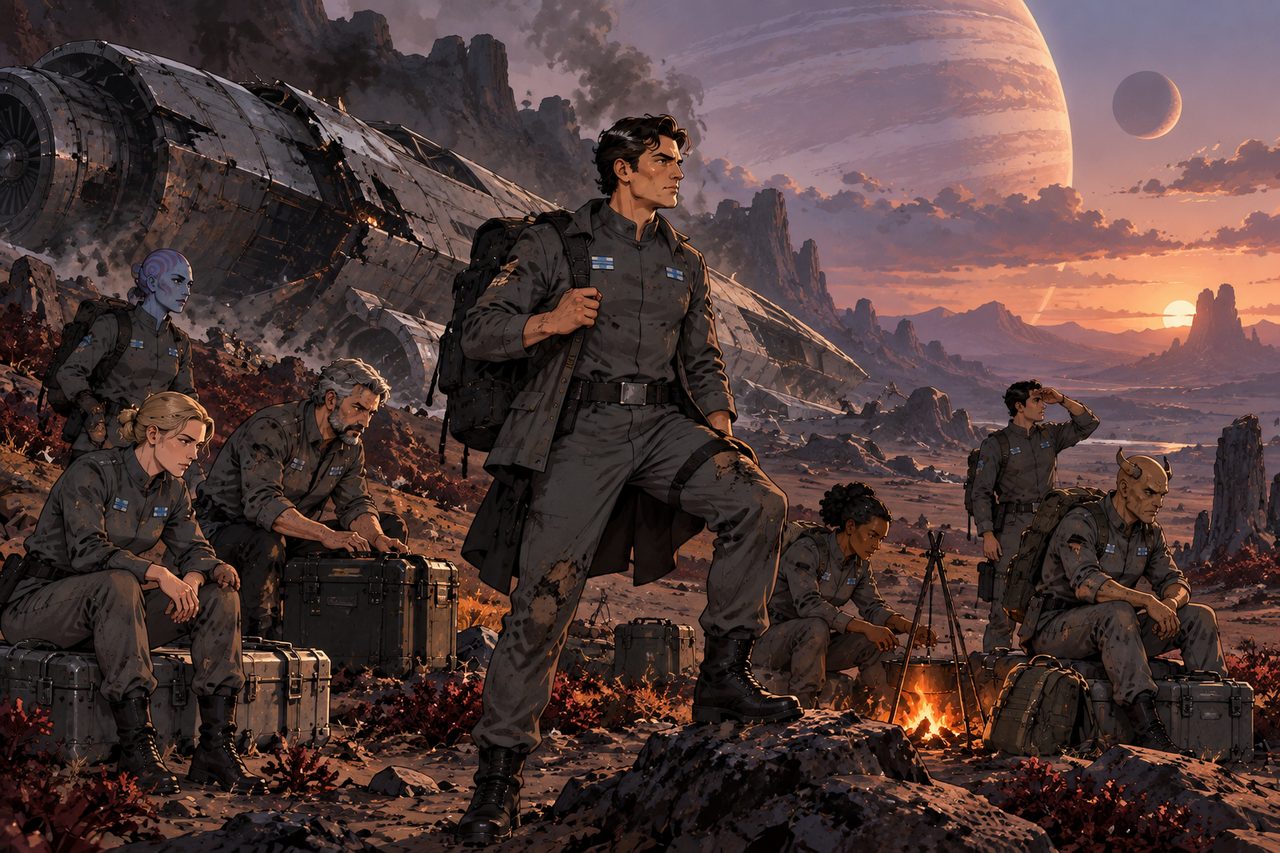
Orders from the Admiralty, and calls for help in between. Pirates harass the trade lanes from hidden bases. The Karnathi Dominion raids across the neutral zone. Every mission counts toward promotion, or hurts your chances of the new ship and the step up you have been waiting for.

A guest takes a console — helm, science, comms, tactical — and the AI officer who manned it steps aside. Your orders to that station wait for a person. The free pass lets anyone join a captain's bridge; their own command is the full game.
Navigation, tactical, science, communications, engineering, security, medical, and the first officer — every one of them a human if you have the friends.
What it runs on
The officers are run by a language model that ships with the game. It needs a graphics card with 8 GB of memory. If you have an API key instead, the officers run through it and the game runs on almost anything.
Windows or Linux, a graphics card with 8 GB, and about 11 GB of disk. Nothing leaves your computer.
Bring an OpenRouter key and the officers run in the cloud: about 1.6 GB of disk and no graphics card to speak of.